
School does a lot when it comes to the academic development of young people. To an extent, it also helps shape their moral values and how they see the world. But sometimes, the school environment, and the kind of structure it provides, is not enough on its own to fully support a young person’s growth. In fact, given the limited hours students spend in school each day, there is only so much it can realistically cover.
There is, therefore, a need for additional support systems and programs that can actually fill the gap. It could come in the form of youth-focused initiatives such as after-school programs, mentorship, leadership training, and career readiness programs.
In this article, we will talk about these programs, how each of them works, and how they can actually impact young people’s lives. We will also talk about the importance of having them in place and the kind of real-world impact they can cause. Let’s get right in!
Youth-Focused Programs: What They Are and What They Do
Young people are a crucial part of any society because they represent what the future will look like. So, any society that truly wants a better and more stable future has to make a conscious effort to invest in its youth. And as mentioned earlier, this can be done through a number of youth-focused programs that can actually help their development, equip them with essential life skills, and prepare them for future opportunities.
Here are a few examples:
- After-school programs
- Mentorship initiatives
- Leadership development
- Career readiness programs
- Entrepreneurship and skills acquisition programs
After-School Programs

As mentioned earlier, the time that students spend in school is actually limited, often barely enough to cover the academics that are required, not to mention other aspects of their development. Having periodic after-school programs in place can act as a support system to fill in these gaps.
These programs, in a way, actually serve as an extension of the classroom and the school as a whole. During this program, students typically engage in:
- Homework (with the needed support)
- Tutoring sessions
- Extracurricular activities such as sports and arts
- STEM-based projects, etc.
In short, after-school programs provide an environment where students can continue learning, explore their interests, and stay productively engaged during those after-school hours when they are usually unmonitored. Similar to the school environment, they are a safe and supervised space where students can interact with peers and mentors in a positive setting.
Now, this initiative can be very impactful, especially when it comes to academic development. If there are areas that a student might have found confusing in class, they can get better explanations and clarity in these programs. With access to guidance and support, they are also better able to complete their assignments, prepare for tests and exams, and stay on track overall. And since it’s in a less formal environment, students tend to be more involved. Over time, as they commit genuinely, there is undoubtedly an improvement in their school performance, especially when it comes to their grades.
Mentorship Initiatives
Another important form of youth development is mentorship. While structured programs like after-school initiatives provide academic support, mentorship focuses more on guidance, direction, and personal growth. In many cases, young people simply need someone who has more experience and someone who can listen, advise, and help them make better choices. That person is a mentor. And the role that a mentor plays in a young person’s life can be very defining.
The mentor can act as a guide, role model, and source of encouragement when it comes to dealing with challenges in school, relationships, and even future career decisions. They also give instructions, share their experiences, and offer a different perspective that the young person may not yet have.
Mentorship can, however, happen in different forms. It could be one-on-one mentorship or group mentorship.
- One-on-one mentorship: Here, the focus is more personal. The mentor is able to understand the individual needs, strengths, and struggles of the mentee and provide tailored guidance.
- Group mentorship: Group mentorship, on the other hand, brings young people together under one or more mentors. This allows for shared learning, collaboration, and exposure to different viewpoints, which can also be very valuable.
The impact of mentorship often shows in how young people begin to think and carry themselves. When it comes to decision-making, they are more likely to make thoughtful and informed choices because they have someone guiding them through different situations.
Mentorship also plays a big role in building confidence and self-esteem. Knowing that someone believes in them and is invested in their growth can make a huge difference in how they see themselves. All these benefits often translate into clearer career paths and better personal development.
Also, young people who go through mentorship programs tend to have a stronger sense of direction, better communication skills, and a more grounded approach to life in general. Over time, this guidance helps them transition more smoothly into adulthood, with a clearer understanding of who they are and what they want to achieve.
Leadership Development
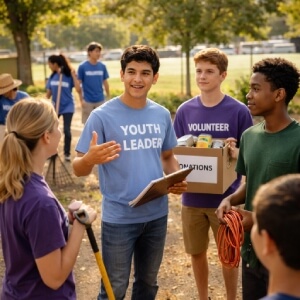
Beyond mentorship, leadership training is another key area that helps young people grow in a more practical and outward-facing way. While mentorship focuses on guidance, leadership programs emphasise active participation and skill-building. They help young people learn to take initiative and work effectively with others.
One very impactful aspect of leadership training is the exposure to real-life challenges and responsibilities. Rather than just learning in theory, participants can be given tasks, roles, or projects that require them to step up and take responsibility. This could be leading a group activity, organizing an event, or contributing to a community initiative. These experiences help them understand what leadership actually looks like in practice.
And over time, this kind of exposure has a strong impact on self-confidence. As you take on responsibilities and see the results of your efforts, you start to believe more in your abilities. It also builds a sense of initiative and accountability, such that you become more willing to step forward, take action, and own the outcomes of your decisions.
Ultimately, young people who receive proper leadership training are more likely to actively participate in school and community activities and develop stronger interpersonal skills. They are also better equipped to work with others, handle responsibilities, and contribute meaningfully wherever they find themselves.
Career Readiness Programs
While education provides the foundation, one major challenge many young people face is figuring out how to translate what they’ve learned in school into real-world opportunities. This is where career readiness programs come in. They are designed to prepare young people for life after school by equipping them with practical, job-relevant skills.
These programs typically focus on teaching skills such as:
- CV writing and job applications
- Internship placement and workplace exposure
- Digital skills
- Financial literacy (understanding money, budgeting, and basic financial planning)
In many ways, career readiness programs help bridge the gap between education and employment. It’s one thing to have academic knowledge, but it’s another to know how to present yourself, navigate the job market, and function effectively in a professional environment. These programs help connect those dots.
Young people who go through these programs are better prepared to apply for jobs, perform well in interviews, and adapt to workplace expectations. At the same time, they gain more career clarity. Instead of feeling unsure about what direction to take, they begin to understand their strengths, interests, and the opportunities available to them.
Also, many participants go on to secure internships, job placements, or even start their own entrepreneurial ventures. With the right guidance and exposure, they are not just ready to enter the workforce; they are better positioned to succeed in it.
Entrepreneurship and Skills Acquisition Programs

In addition to preparing young people for employment, it is also important to equip them with the ability to create opportunities for themselves. This is where entrepreneurship and skills acquisition programs come in. These programs focus on helping young people develop practical, income-generating skills while also teaching them how to think creatively and independently.
These programs combine hands-on training with basic business knowledge. Participants are not just learning theories; they are actively building skills they can use in real-life situations. Some of the areas they typically cover include:
- Vocational and technical skills (such as tailoring, baking, hairdressing, photography, etc.)
- Digital and creative skills (like graphic design, content creation, and basic coding)
- Business fundamentals (how to start, manage, and grow a small business)
- Financial management (pricing, saving, and reinvesting profits)
What makes these programs particularly valuable is that they shift the mindset from job-seeking to value creation. Instead of relying solely on the job market, young people begin to see opportunities around them and learn how to turn ideas into something tangible. In other words, participants gain practical skills that can immediately be used to earn an income. They also develop important traits like creativity, resilience, and problem-solving, which are essential for long-term success.
In the long run, many young people who go through these programs go on to start small businesses, offer services within their communities, or build side hustles that grow over time. Even for those who eventually take up formal employment, the entrepreneurial mindset they develop helps them think differently, adapt quickly, and take initiative in whatever path they choose.
Measurable Impact of Youth-Focused Programs on Youth Development
When you look at all these programs together, after-school initiatives, mentorship, leadership training, career readiness, and entrepreneurship, it becomes clear that they are not just separate efforts, but complementary systems working toward the same goal: helping young people grow into well-rounded, capable individuals.
Each program plays its own role, but the real value is seen in the combined impact they have over time. Rather than addressing just one area of development, they collectively support academic growth, personal development, and future preparedness.
Some of the most noticeable outcomes across these programs include:
- Improved academic performance: With consistent support, guidance, and structured learning environments, students are better able to understand their studies, complete assignments, and perform well in exams.
- Enhanced social and communication skills: Through group activities, mentorship interactions, and leadership opportunities, young people learn how to express themselves, work with others, and build meaningful relationships.
- Increased confidence and independence: As they gain new skills and take on responsibilities, they begin to trust their abilities more. This confidence allows them to make decisions, take initiative, and navigate challenges with less reliance on others.
In many cases, studies and real-world observations have shown that young people who participate in structured development programs are more engaged in school, less likely to drop out, and better prepared for future opportunities. While the exact results may vary depending on the program and environment, the overall pattern remains consistent; these initiatives make a measurable difference.
Challenges and Gaps in The Access to Youth-Focused Programs
While youth-focused programs offer clear benefits, the reality is that not every young person has equal access to them. In many cases, the challenge is not the absence of impact but the difficulty in reaching the people who need these programs the most.
Here are some of the key barriers that limit access and effectiveness.

Limited Availability in Some Communities
In many areas, especially in underserved or rural communities, youth-focused programs are either scarce or completely unavailable. This creates a situation where access is determined largely by location, leaving many young people without the support systems they need.
Funding and Resource Constraints
Sustaining these programs requires consistent funding, trained personnel, and adequate facilities. Without these, it becomes difficult to maintain quality or expand reach. Some programs even shut down over time due to a lack of financial support.
Low Awareness and Visibility
Even when programs are available, many young people and their families are not aware of them. Poor communication and limited outreach mean that opportunities often go unnoticed or underutilized.
Accessibility and Participation Barriers
Factors such as transportation, program costs, or scheduling conflicts can make it difficult for some young people to participate. For example, a student may be interested in a program but unable to attend due to distance or financial limitations.
Inconsistent Quality of Programs
Not all programs offer the same level of impact. Some may lack proper structure, experienced facilitators, or clear objectives, which can reduce their effectiveness and discourage continued participation.
Practical Solutions for Expanding Access to Youth-Focused Programs
At the end of the day, the issue is not just about creating programs, but also about making them accessible, sustainable, and visible. This will require intentional and coordinated efforts from governments, schools, private organizations, and even local communities. Together, they can make efforts to:
- Expand programs to underserved areas: Efforts should be made to establish more youth-focused initiatives in underserved and rural communities. This could involve partnerships with local schools, community centers, or religious institutions to create accessible program hubs.
- Increased funding and strategic investment: Governments and private organizations need to invest more in youth development. This includes not just starting programs, but ensuring they are well-resourced, properly staffed, and sustainable over time.
- Improving awareness and outreach: There should be stronger awareness campaigns to inform young people and their families about available opportunities. Schools, social media, and community networks can play a key role in spreading this information.
- Reducing participation barriers: Making programs more inclusive is crucial. This could mean offering free or subsidized participation, providing transportation options, or scheduling programs at convenient times for students.
- Ensuring quality and standardization: To maintain impact, programs should have clear structures, trained facilitators, and measurable goals. Regular evaluation and feedback can also help improve quality and ensure that participants are truly benefiting.
Building Strong Futures Through Youth Empowerment
At the heart of every thriving society is a generation of young people who are well-equipped, confident, and prepared for the future. While schools provide a strong academic foundation for these young individuals, it is clear that they cannot do it all alone. This is why there’s a need for youth-focused programs to help complement the youth development process.
With programs like mentorship initiatives, after-school programs, leadership training, and career readiness and entrepreneurship programs, young people can be groomed into well-rounded individuals. More importantly, the impact of these programs goes beyond the individual. When young people are supported in the right way, they grow into responsible, capable adults who can contribute meaningfully to their communities and society at large.